Technology
Controlled atmosphere
Controlled Atmosphere (CA) storage has been around for decades and is an affordable long-term storage solution for fresh produce. So, what is the difference between CA and DCA?
CA and DCA
CA storage works with recognised safe O2 and CO2 regimes created by research stations to cover all sorts of growing anomalies in most global climates.
Dynamic Controlled Atmosphere (DCA) storage monitors the health of the fruit during the storage period. Instead of a set regime, the oxygen is reduced until the Low Oxygen Limit (LOL) is reached and then increased to a safe storage level. This LOL can vary annually depending on both climate and growing conditions.
General information
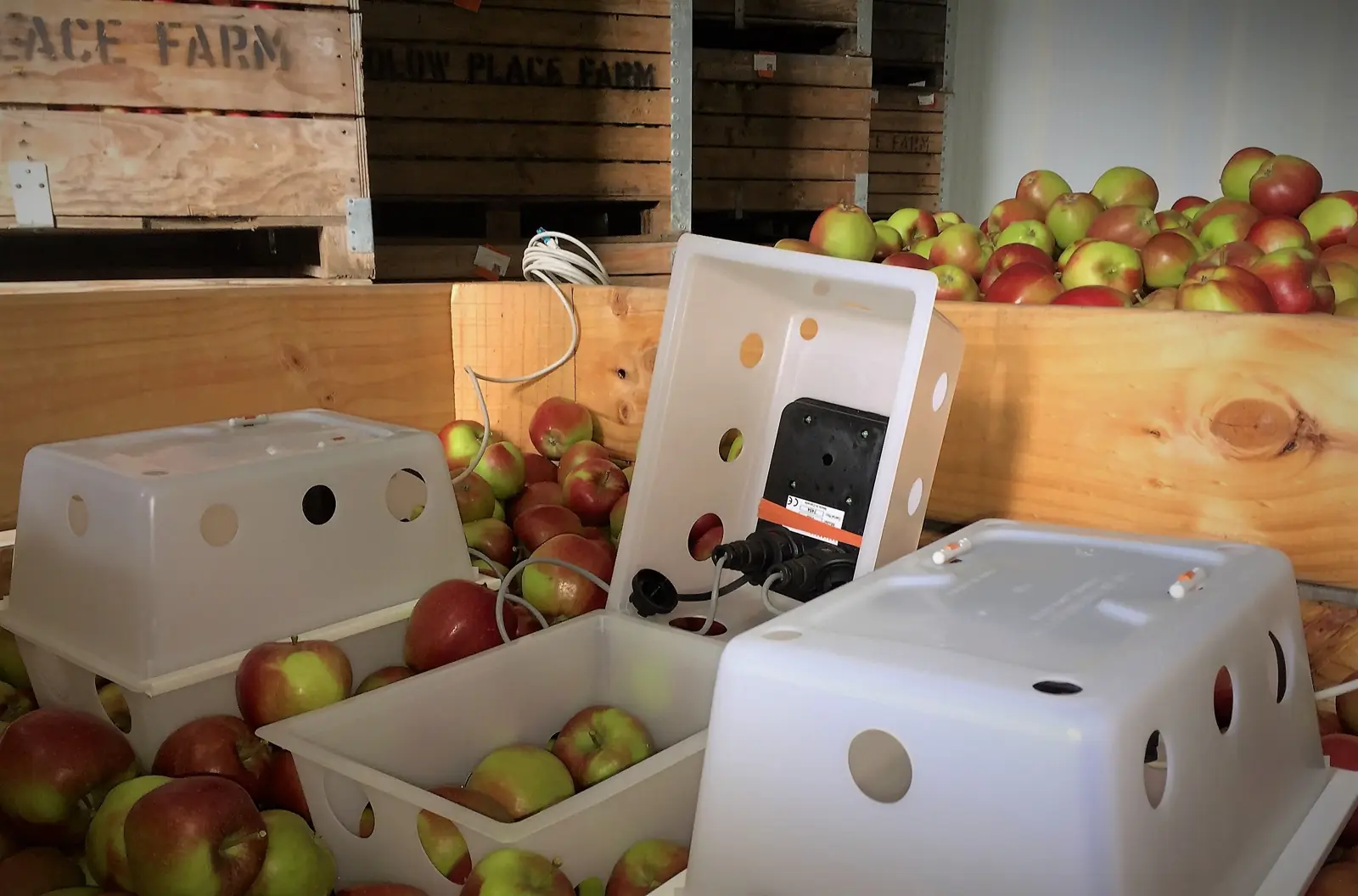
The first large-scale DCA installation was completed in the UK in 2013, by UKCA Ltd in conjunction with the Italian manufacturer Isolcell. The system uses sensors called F.I.R.M. (Fluorescence Interactive Response Monitor) to dynamically control the atmosphere, allowing the storage of fresh produce at its lowest respiration rate.
The optimum level will vary considerably according to a variety of factors, including:
- The cultivar
- Growing conditions before harvest
- The state of maturity of the fruit at harvest
- The temperature at which the fruit is stored
Guidance concerning recommended “safe” levels will be provided to achieve the optimum conditions. In doing so, the storage life of the crop can be extended significantly. Additional benefits have identified that post-harvest chemicals such as 1-MCP are no longer essential to maintain the quality of produce. DCA provides this security whilst also protecting against storage disorders such as superficial scald and internal browning.
UKCA are the sole suppliers of Isolcell’s DCA system. If you wish to discuss the viability of Dynamic Control, please contact us for an initial discussion and to arrange a site visit.
Why choose DCA storage?
With the increasing levels of top fruit grown in the UK the market is difficult to predict, and with CA storage you may be limited to selling within a certain timescale. With DCA the increased reduction in respiration allows the storage of produce to go that bit further still, with improved pressures, great colour and reduced rots. Post-harvest chemicals could also become a thing of the past, as ethylene is also drastically reduced.
2013 saw the first installation of the world-leading Isolcell DCA system in the UK, and by 2020 UKCA had installed this system on well over 100 DCA stores throughout the UK.
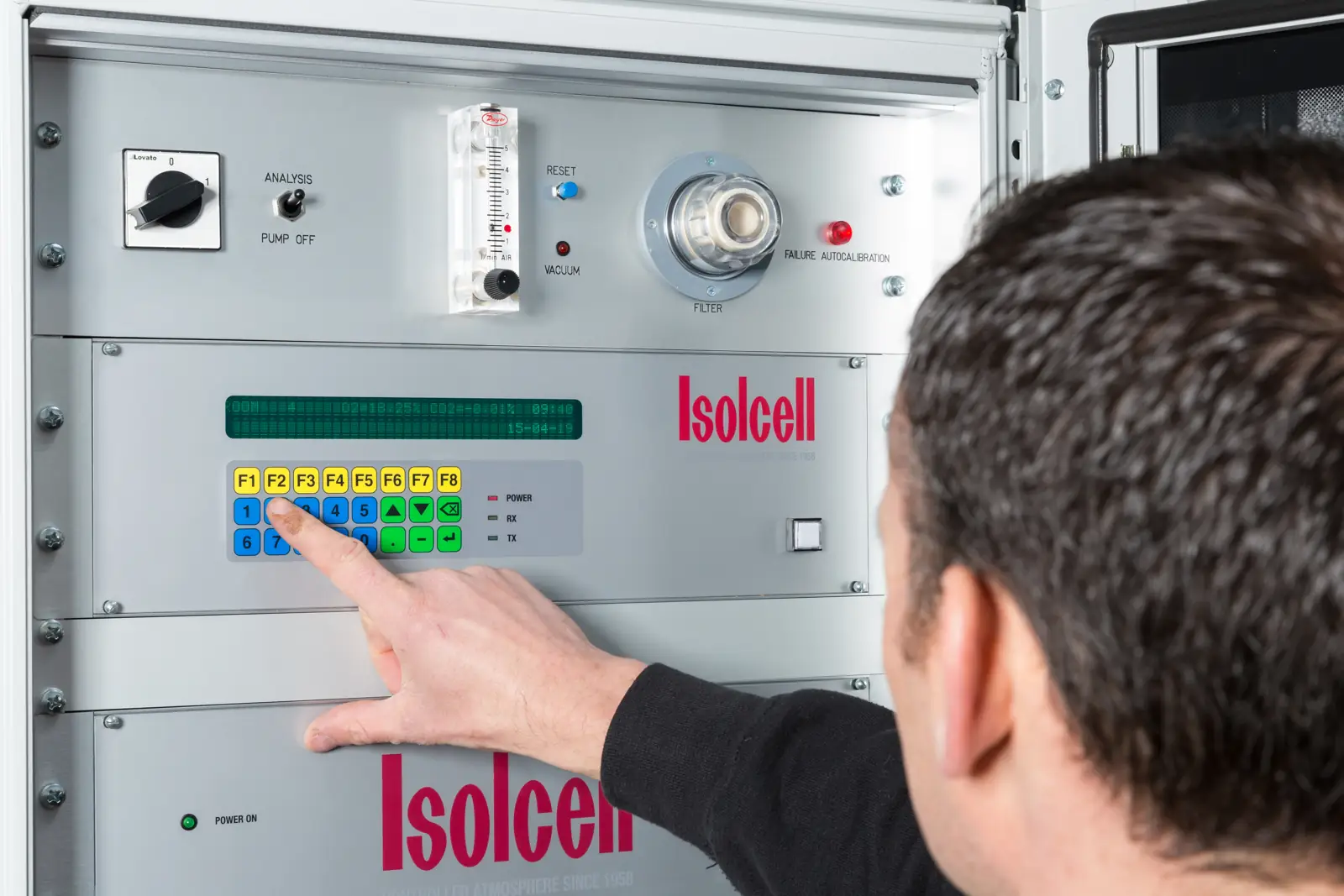
DCA enables the grower to create the ideal conditions for medium to long-term storage of most kinds of fruit and some vegetables. DCA allows the lowering of O2 levels in storage rooms to between 0.4% and 0.7% (for apples) without the risk of hypoxia and the correlated physiological disorders. During the storage period, using the Isolcell software “Isostore”, it is possible to set and adapt the gas values in a dynamic manner, based on the maturity, annual climatic variations, different origins and varying respiratory rhythms of the monitored fruit.
This technology uses fluorescence detection sensors to dynamically control the atmosphere and enables the storage of fruit at its lowest respiration rate. These Fluorescence Interactive Response Monitor (FIRM) sensors measure the amount of light emitted by the fruit’s peel in the form of fluorescence. This pinpoints the Anaerobic Compensation Point (ACP), an essential parameter in determining the minimum level of O2 to be maintained in the room during storage. The sensors determine the ACP quickly and precisely, online and in real time, making ISOSTORE® technology both very easy and safe to use.
DCA: chlorophyll fluorescence
UKCA Ltd supply Isolcell’s DCA system because of the vast experience and continual global scientific research being carried out on this technology.
The chlorophyll fluorescence principle involves light entering the plant and being absorbed by the chloroplast. Most of the light is used in the process of photochemistry to create sugar. A small amount is released in a non-photochemical process as heat, with some re-emitted as fluorescence (red light) from the plant at a longer wavelength.
Commercially, DCA is achieved using three techniques. The easiest, safest and most proven way is the chlorophyll fluorescence sensor; the alternatives are detecting the respiration quotient or the fermentation quotient.
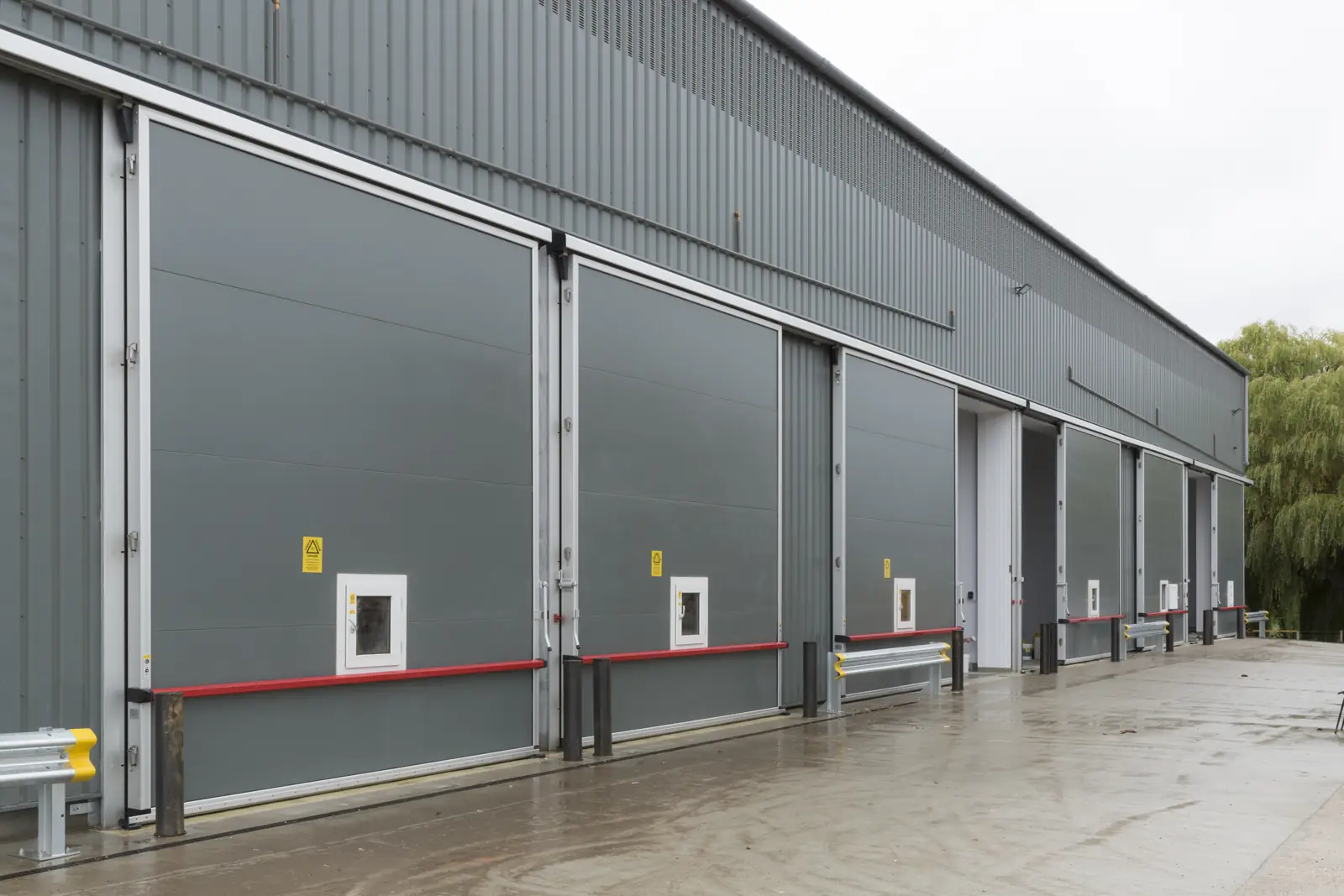
To achieve successful DCA storage levels, the CA room and control equipment must be completely airtight to achieve and maintain below 0.5% oxygen.
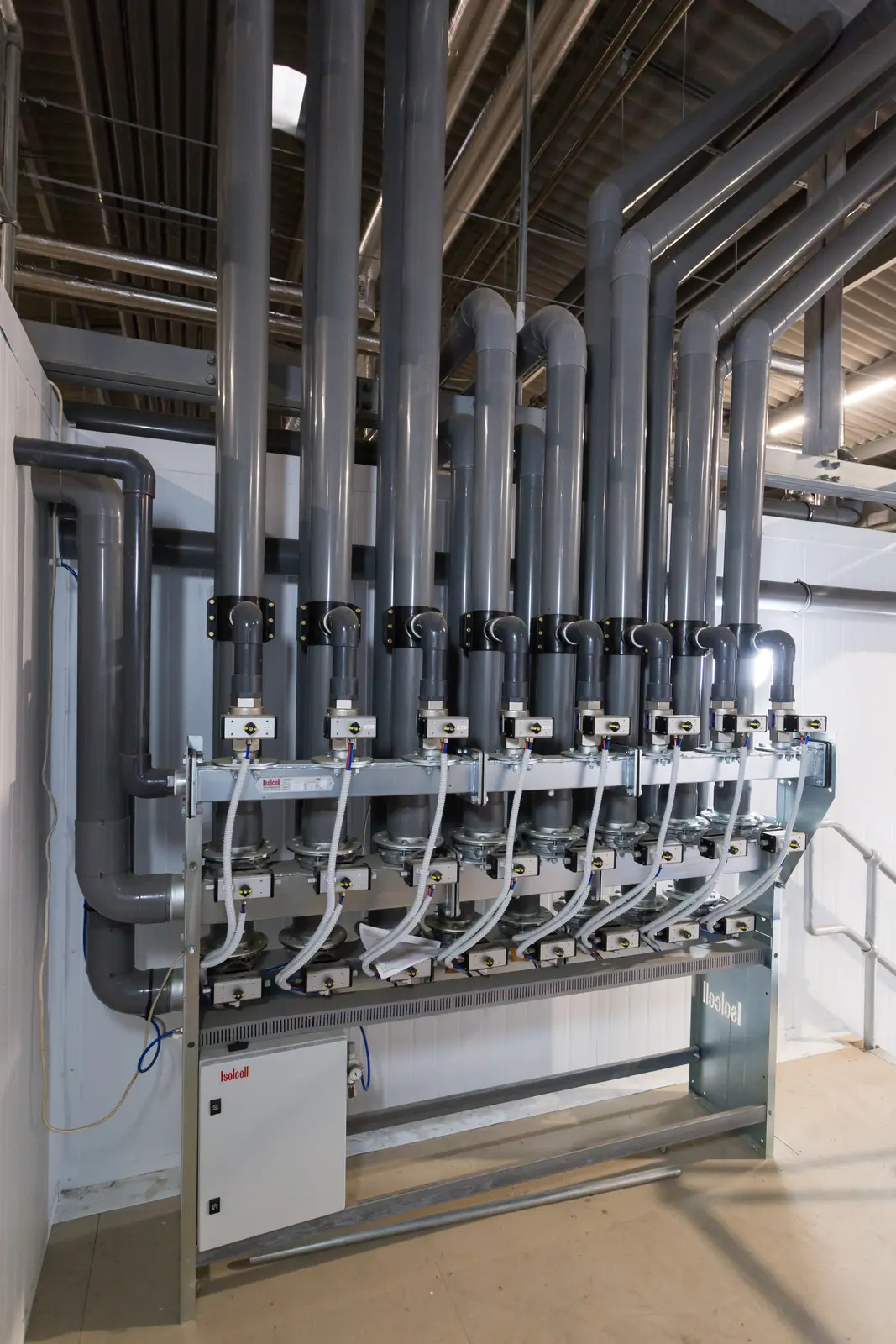
CO2 adsorbers
Despite being in a “dormant” state as a result of being cold and deprived of oxygen, the fruit will continue to breathe (albeit at a reduced rate) and will continue to produce carbon dioxide. Allowed to build up unchecked, high concentrations of CO2 will damage the fruit. It is therefore essential to monitor levels and to remove excess CO2 as it occurs.
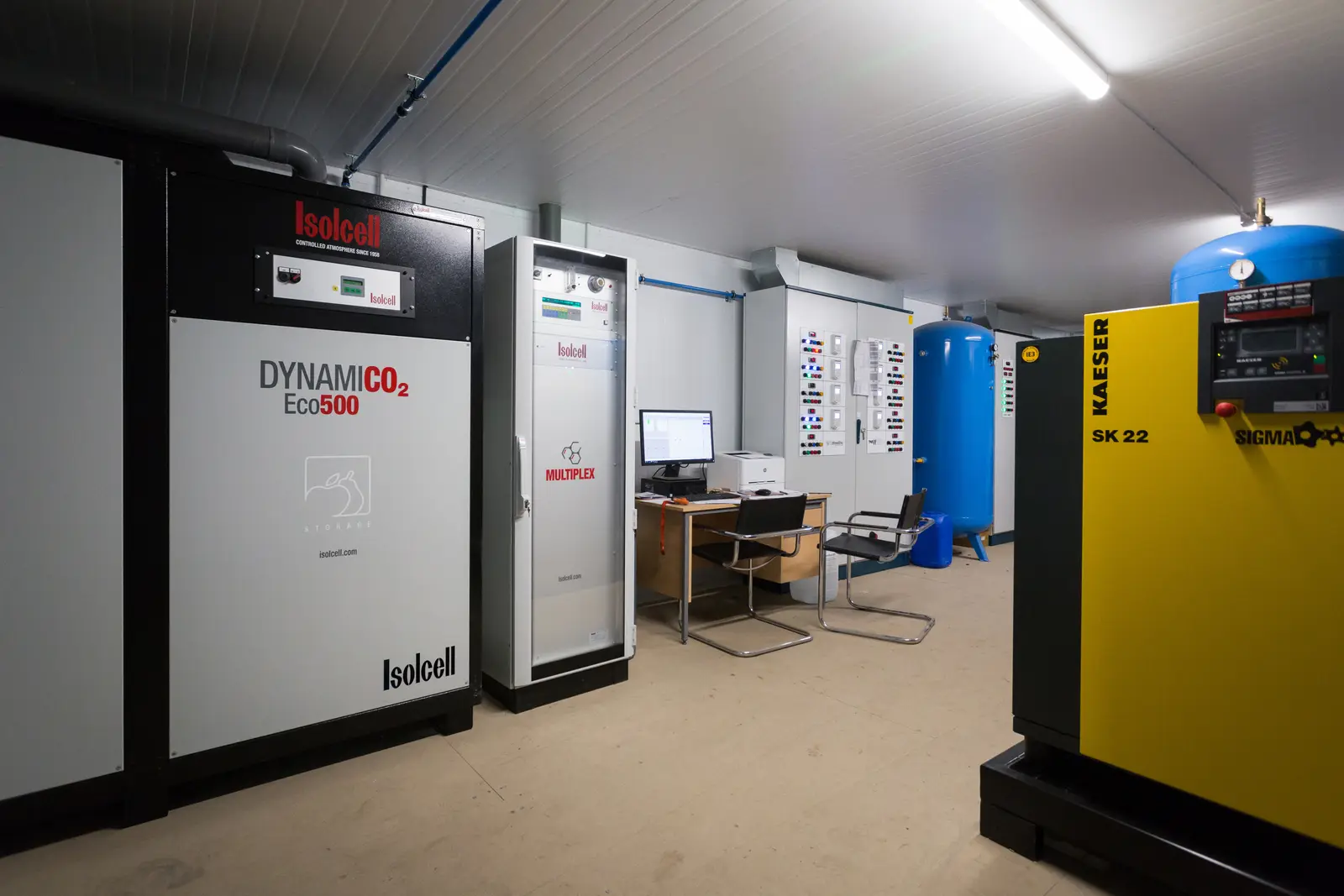
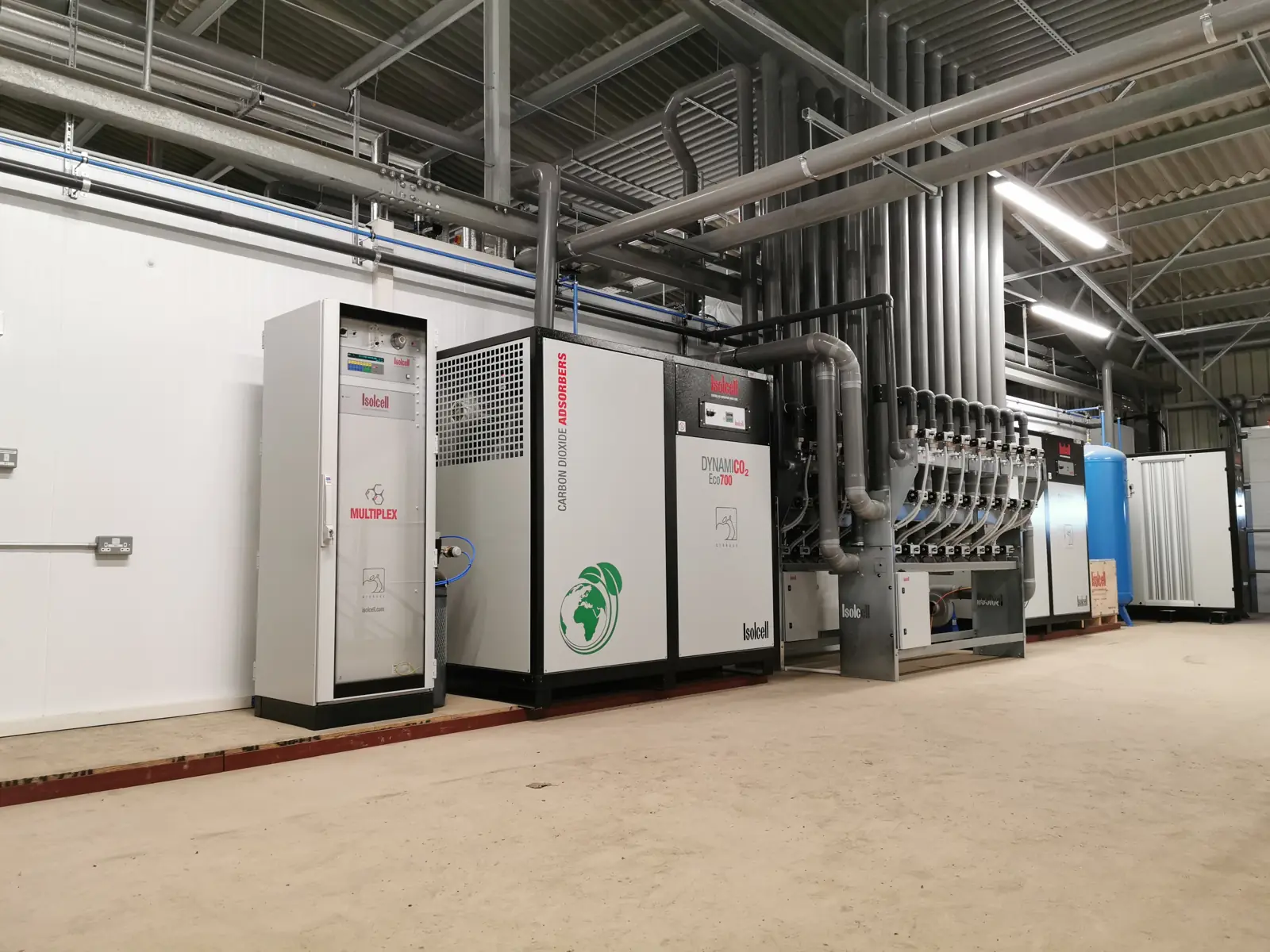
The CO2 adsorber (or scrubber) draws air from the store and filters out CO2 before pumping it back into the store. By circulating the air in this way, the air returned to the store maintains the important low-oxygen conditions.
The adsorber works by passing the air through a bed of activated carbon, which attracts and holds the CO2 molecules. Periodically, the machine flushes out the carbon bed by pumping fresh air through it in the reverse direction and venting to the outside before the next cycle takes place.
Generally, one adsorber will be connected to a number of stores, treating each one in rotation via a series of valves. The operation of the machine is controlled by an internal or external analyser, which samples air regularly from each store.
Nitrogen generators
Around 78% of the air that we breathe is nitrogen, so there is no need to make any more. What this machine does is filter out the oxygen from the atmosphere, along with CO2, small amounts of other gases and water vapour, to create a supply of virtually pure nitrogen.
Using an injection system this is then pumped into the store, gradually displacing the normal air until the desired level is reached. Air from the store is regularly analysed to ensure the atmosphere is maintained within the set parameters.
Recirculation (VSA) systems are also available. These take air from the store, remove the oxygen and return it to the store, providing a potentially more efficient reduction in store oxygen levels.
Ethylene scrubbers
Prevent premature ripening. Ethylene gas is a major plant hormone that influences diverse processes in plant growth, development and stress responses throughout the plant life cycle. Responses to ethylene, such as fruit ripening, are significant to agriculture.
By removing ethylene from the storage atmosphere, we can prevent the process of premature ripening. With all our ethylene systems a very important benefit is the destruction of airborne bacteria, reducing mould and rotting on the surface of fruit and vegetables.